


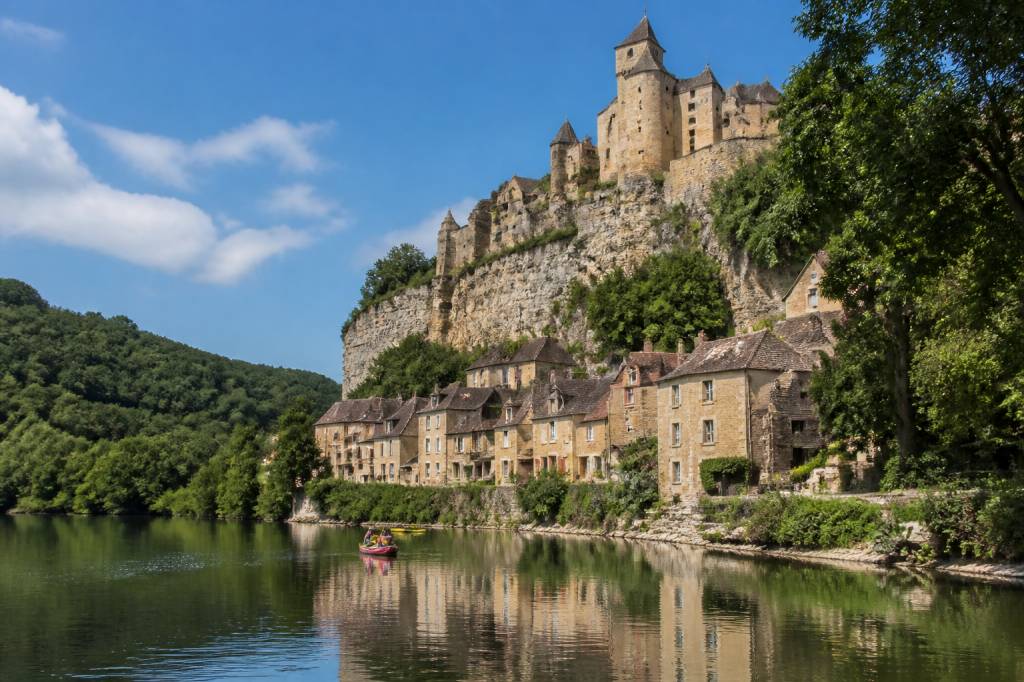
The Dordogne Valley is one of those places that stays with you long after you’ve left. In southwest France, the landscape feels almost theatrical: a river winding past limestone cliffs, medieval villages clinging to the hillsides, castles rising above the treetops, and markets overflowing with foie gras, walnuts, strawberries, and cheeses. It is a destination that rewards slow travel, and choosing the right time to visit can completely shape the experience.
I have always found the Dordogne Valley especially appealing because it changes personality with the seasons. In spring, it feels fresh and quiet. In summer, it is lively, sunlit, and full of energy. Autumn brings a golden calm and exceptional food. Winter is peaceful and atmospheric, with a more local, intimate feel. If you are planning a trip and wondering when to go, the answer depends on what you want most: warm weather, fewer crowds, better prices, river activities, or market days filled with seasonal produce.
Why timing matters in the Dordogne Valley
The Dordogne Valley is not just a single town or attraction; it is a wide region of villages, riverside towns, prehistoric sites, castles, gardens, and farms. Many visitors come for short stays, but the area really shines when you have enough time to explore at an easy pace. The best time to visit depends on whether you want to paddle on the river, tour castles in comfort, browse open-air markets, or simply enjoy the views without too much heat or too many people.
Because the region is popular with French holidaymakers as well as international travelers, July and August can be busy. Roads get fuller, restaurants book up quickly, and the most famous villages can feel crowded in the middle of the day. Yet those months also bring long evenings, festivals, and the fullest range of tourist services. Spring and autumn are often the sweet spots for travelers who want the beauty of the region without the peak-season rush.
Spring: one of the most rewarding times to go
From April to June, the Dordogne Valley is wonderfully attractive. The weather is usually mild, the hills are bright green, and the riverbanks feel fresh after winter. For me, spring is one of the best times to visit if you enjoy walking, sightseeing, and exploring villages at a relaxed pace.
This is a lovely season for castle visits. Fortresses such as Beynac, Castelnaud, and the broader cluster of hilltop villages around the river are easier to enjoy when the temperatures are comfortable. You can wander through courtyards, climb stone staircases, and take in the views without feeling drained by summer heat. Spring light is also beautiful for photography, especially in the late afternoon when the river and limestone cliffs glow softly.
Spring also marks the return of local market life. Many towns begin their weekly markets in earnest, and the stalls start filling with asparagus, strawberries, early cherries, fresh cheeses, herbs, and regional specialties. If you like browsing markets and tasting as you go, this season feels lively but not overwhelming.
- Best for pleasant walking weather
- Good value compared with peak summer
- Ideal for castle touring and scenic drives
- Excellent for early-season produce and local markets
One thing to keep in mind is that spring weather can be variable, especially in April. A light jacket is useful, and a flexible itinerary helps in case of a rainy day. Still, the balance of calm atmosphere, reasonable prices, and growing activity makes spring a strong choice.
Summer: lively, sunny, and made for the river
July and August are the most energetic months in the Dordogne Valley. If you dream of long, warm days, river swimming, canoe trips, open terraces, and evening markets under the stars, this is your season. The region feels alive from morning to night, and there is a wonderful holiday spirit in the air.
Summer is especially good for the Dordogne River itself. This is the time to paddle between cliffs and castles, stop for picnics along the bank, or spend a lazy afternoon on the water. The river becomes one of the best ways to experience the valley, and the scenery from a canoe or kayak is unforgettable. Villages such as La Roque-Gageac, Beynac, and Castelnaud are at their most animated, with boats on the water and cafés busy well into the evening.
Food markets are also at their most colorful in summer. You will find baskets of peaches, tomatoes, melons, plums, berries, and fragrant herbs, alongside local cheeses, charcuterie, and walnut-based products. The weekly markets become social events as much as shopping experiences. I always recommend arriving early, when the stalls are freshest and the light is best, then lingering over a coffee or a simple market lunch.
The drawback, of course, is the crowds. Famous villages can become packed, parking may take patience, and accommodation prices rise. If you travel in summer, it is wise to book well in advance and plan your sightseeing early in the day or later in the afternoon. The middle of the day is often best spent by the river, in the shade of a garden, or over a long lunch.
- Best for canoeing and river activities
- Great for long evenings and outdoor dining
- Perfect if you enjoy a busy holiday atmosphere
- Expect higher prices and larger crowds
Autumn: the season I would personally choose for food lovers
September and October are, in many ways, the most satisfying months to visit the Dordogne Valley. The intense summer heat eases, the crowds thin out, and the countryside turns warm gold and copper. This is harvest season, and the region’s culinary identity comes sharply into focus.
Autumn is a glorious time for food markets. Walnuts, mushrooms, figs, grapes, apples, and chestnuts appear in abundance. The local cuisine feels even more connected to the landscape, and it is a pleasure to sit down in a village restaurant and eat dishes built around the season’s best produce. If your idea of travel includes market baskets, wine, truffle dishes, and long meals, this is a fantastic period to be here.
The weather is often ideal for sightseeing. You can visit castles, gardens, and prehistoric sites without the intensity of midsummer heat. The river still looks beautiful, and in early autumn you may still be able to enjoy boating or riverside walks. The villages feel calmer too, which means you can really absorb their character. In places like Domme, Beynac, and La Roque-Gageac, the slower pace makes a big difference.
Autumn is also practical. Accommodation is often easier to find, prices can be more manageable, and restaurants are less rushed. It is one of the most balanced times to travel in the region, especially if your trip is centered on food, scenery, and relaxed exploration.
- Best for gastronomy and seasonal produce
- Excellent weather for walking and sightseeing
- Fewer crowds than summer
- Beautiful colors in the landscape and vineyards
Winter: quiet, authentic, and atmospheric
From November to March, the Dordogne Valley becomes quieter and more local. Some visitor services reduce their hours, and a few attractions may close for part of the season, but the region does not lose its charm. In fact, if you enjoy peaceful travel and a more authentic feel, winter can be deeply appealing.
Villages are calmer, roads are easier, and you are more likely to have a castle terrace or viewpoint nearly to yourself. The landscape takes on a more subdued mood, with misty mornings and crisp air. This is not the season for river swimming or bustling terraces, but it can be a wonderful time for slow drives, hearty meals, and wandering through market towns without the pressure of crowds.
Food remains one of winter’s strongest reasons to visit. The Dordogne is a region that does comfort food beautifully, and winter menus often lean into rich, warming dishes. If you enjoy duck, potatoes, walnuts, local cheeses, and truffle season, this can be a very rewarding time to come. It is also a good season for travelers who like to stay in characterful guesthouses, enjoy fireplaces, and experience France at a gentler pace.
The best months overall
If I had to choose the most balanced months for a first visit, I would point to May, June, September, and early October. These months generally offer the best mix of weather, scenery, food, and crowd levels. You can tour castles comfortably, enjoy markets in full swing, and make the most of riverside walks and village terraces.
For travelers focused on activities, June and September are especially good. June brings long days and lush scenery before peak-season crowds arrive. September gives you warm weather, rich produce, and a calmer mood. If your dream includes swimming or canoeing, mid-summer is still the best bet. If your priority is sightseeing and gastronomy, autumn may be the most satisfying.
Practical tips for planning your trip
When planning a Dordogne Valley trip, think about your pace as much as the season. This is a region that works best when you do not try to see everything in a rush. Staying in one or two bases can make the journey much more enjoyable, especially if you want time for markets, scenic drives, and leisurely lunches.
It is also worth checking market days before you book. Many of the most memorable experiences here involve simple things: buying fruit from a local grower, tasting cheese from a nearby farm, or picking up bread and picnic ingredients before heading to the river. If you love food, schedule your itinerary around the market calendar.
For castle visits, early morning and late afternoon are the most pleasant times in the warmer months. Not only is the light better, but you also avoid the busiest tour periods. In summer, river activities are best reserved in advance. In spring and autumn, you will often find more flexibility and a more relaxed pace.
- Book early if traveling in July or August
- Check local market days before arriving
- Choose a base with easy access to the river and villages
- Pack for changing weather in spring and autumn
- Allow time for long lunches and spontaneous stops
The Dordogne Valley is the kind of place that reveals itself slowly. Its castles are impressive, but they are only part of the story. The riverside villages, the food markets, the quiet back roads, and the changing light across the valley all add up to a destination that feels rich and deeply rewarding. Whether you come for spring freshness, summer energy, autumn flavors, or winter calm, you are likely to leave already planning your return.