



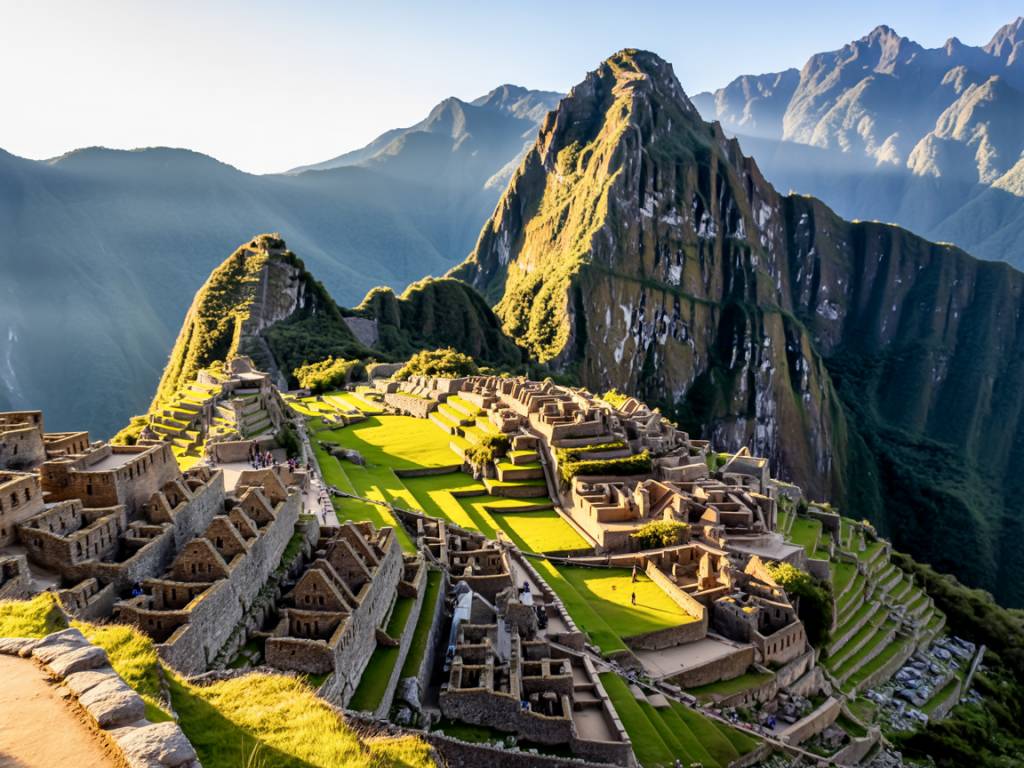
When the Air Gets Thin: Facing Altitude Sickness en Route to Machu Picchu
The first time I arrived in Cusco, the former capital of the Inca Empire nestled over 3,400 metres above sea level, I was enchanted. Cobbled alleys danced between ochre walls, and the Andean air carried the scent of eucalyptus and woodsmoke. But enchantment quickly gave way to breathlessness. My heartbeat thudded in my ears as I climbed two shallow steps to my hotel room. Welcome to altitude sickness — nature’s way of reminding us who’s boss in the Sacred Valley.
If you’re planning a journey to the mythical heights of Machu Picchu, it’s essential to prepare for the possibility of altitude sickness (known medically as acute mountain sickness, or AMS). It’s not glamorous, but it’s real — and manageable with a little foresight and care. So let’s dive in, heart first but breath steady.
What Is Altitude Sickness?
Altitude sickness occurs when your body struggles to adapt to lower oxygen levels at high elevations. The symptoms can vary from mild to severe, and they often sneak up on you within the first 6 to 24 hours after you’ve ascended rapidly.
Common symptoms include:
- Headaches that feel unusually persistent or dull
- Nausea or loss of appetite
- Fatigue or dizziness even after resting
- Trouble sleeping
- Shortness of breath with little exertion
In rare cases, altitude sickness escalates into high altitude pulmonary edema (HAPE) or high altitude cerebral edema (HACE) — very serious conditions requiring immediate descent and medical attention. But for the majority of travelers, symptoms are mild and temporary.
Why Altitude Sickness Is so Common at Machu Picchu
Interestingly, Machu Picchu itself is not the highest point on your journey — it’s actually « only » about 2,430 metres. The real trouble zone? Cusco, the city where most travelers begin their adventure, sits at over 3,400 metres. Many visitors spend a day or two in Cusco and then descend into the Sacred Valley or Aguas Calientes before ascending Machu Picchu, which ironically helps mitigate symptoms as you drop in elevation.
The problem lies in arriving from sea level and moving too quickly. Often, flights land you directly from Lima (at sea level) into the thin air of Cusco. That sudden jump doesn’t give your body enough time to adjust to the drop in oxygen availability.
How to Prepare for High Altitude
Good preparation is about pacing, listening to your body, and adopting a little of that slow South American rhythm.
Here’s how to stack the odds in your favor, long before you lace up your hiking boots:
- Plan an extra acclimatization day: Spend your first night in the Sacred Valley rather than Cusco. Cities like Pisac or Ollantaytambo are at lower altitudes and gentler on your lungs.
- Take it slow from day one: Don’t rush off to trek or tour ruins. Wander. Rest. Sip coca tea. Acclimatisation is not a competition.
- Stay hydrated: The air is dry at high altitudes, and dehydration aggravates symptoms. Drink plenty of water, but skip excessive alcohol and caffeine.
- Eat light, carb-rich meals: Your digestive system also slows at altitude. Soups, potatoes, and quinoa are nourishing allies.
- Consider medication: Acetazolamide (Diamox) can help prevent or reduce symptoms. Always consult your doctor before travelling, especially if you have pre-existing conditions.
Natural Remedies: What Locals Swear By
Walking the narrow alleys of Cusco, you’ll see locals chewing leaves or sipping hot tea with an earthy, slightly bitter aroma: coca. Indigenous communities have used this Andean plant for centuries to fend off the effects of life in the clouds.
- Coca tea (mate de coca): Often served upon arrival in your hotel, this mild stimulant can ease headaches and boost oxygenation (though effects vary by person).
- Coca leaves: Chewing raw leaves is common in the Andes, often with a small lime-based catalyst. The taste is not for everyone, but many travelers swear by it.
- Essential oils: Some use eucalyptus or mint oils for headaches and nausea relief. A dab on the temples can work wonders after a long day exploring.
These remedies are no substitute for acclimatisation but offer comfort — and often a beautiful cultural connection along the way.
My Personal Story: The Two-Step Struggle and the Joy of Slowing Down
I recall my second visit to Cusco. I had learned my lesson. Instead of charging into a full-day city tour, I sat on a sun-drenched bench outside a little café on Plaza San Blas, watching a puppy wrestle a shoelace twice its size. I sipped coca tea, journaled, breathed deeply. The city hummed patiently around me, as if waiting for me to join its rhythm.
By late afternoon, I felt stronger. Not marathon-strong. But strong enough to climb slowly through the old Inca streets, to place my hands on ancient stones still whispering legends. I wasn’t ticking things off a list anymore — I was becoming part of the slow unfolding of Peru. And isn’t that what travel is supposed to do?
What To Do If You Get Sick
The truth is, despite all precautions, altitude sickness can strike. If it does, be kind to yourself. Your body is doing its best under unique pressures.
Here’s what helps:
- Rest as often as needed: Slow down your pace. Sit in the sun, talk to locals, or nap when your body insists.
- Rehydrate consistently: Water. Electrolyte drinks if available. Sip slowly but frequently.
- Use prescribed medication: Acetazolamide can help reduce symptoms, especially if taken preventatively. Carry it in your travel pouch (with doctor’s guidance).
- Descend if symptoms persist or worsen: Going lower is the most effective remedy. Don’t hesitate to adjust your itinerary — your health is non-negotiable.
Is the Inca Trail More Dangerous Than the Train Ride?
It’s a fair question. Trekking the Inca Trail certainly exposes you to longer time at high altitudes, often exceeding 4,200 metres. This means hikers face sustained exposure and require better physical preparation and acclimatisation.
If you’re concerned about AMS, opting for the train to Aguas Calientes with a short hike to Machu Picchu might be the gentler way to go. You’ll still feel the magic of the mountains — and without needing days of recovery afterward.
Final Thoughts from the Andes
Standing atop that ancient citadel, as white mist unfurled like silk between stone terraces, I no longer thought about the breathlessness or the days of preparation it took to get there. Only the mountain mattered — and the stillness of being fully present in that sacred silence.
Altitude sickness is an inconvenience, yes. But one that opens the door to a different kind of travel — one rooted in patience, body-awareness, and profound respect for the land. Whether you’re trekking the trail or meandering through Inca ruins at your own pace, give yourself permission to slow down. The mountain isn’t going anywhere — and she wants you to arrive whole and awake.
So take the slow route. Breathe deep. And if your heart races a little faster than usual, maybe it’s not just the altitude. Maybe it’s wonder.