



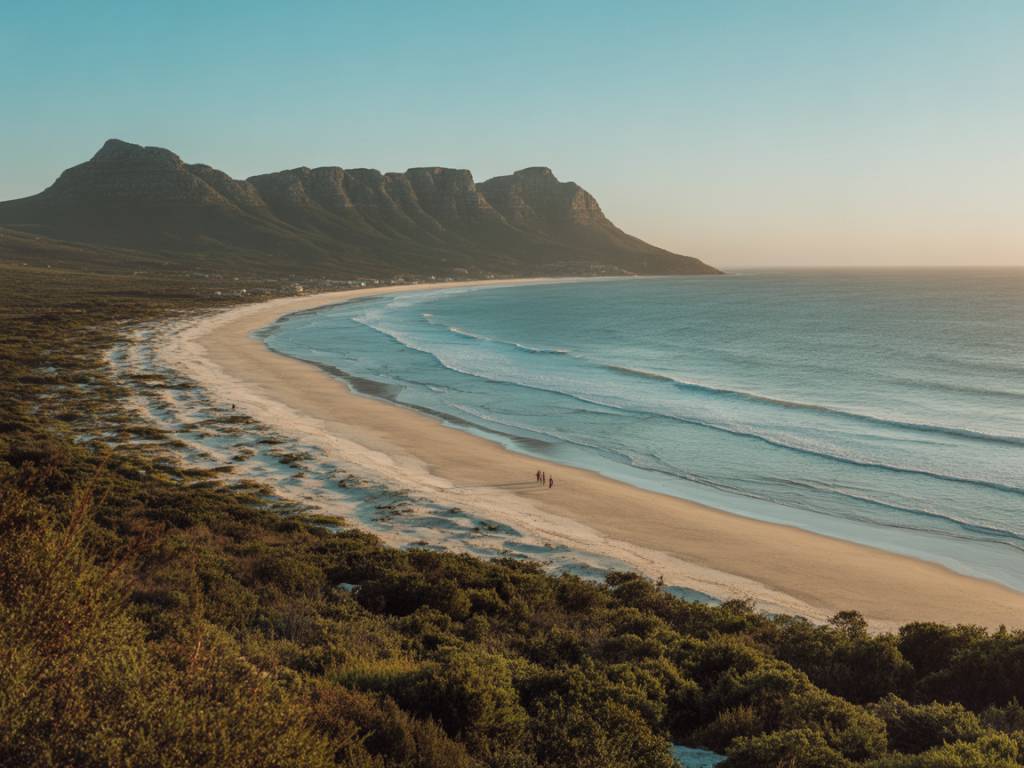
There are road trips you remember fondly, and then there are the ones that rearrange your idea of what a holiday can be. For me, self-driving South Africa’s Garden Route sits firmly in the second category: a mix of shimmering beaches, cool indigenous forests, and wildlife encounters that feel both raw and accessible. The best part? It’s one of the easiest and most flexible trips you can do on a reasonable budget, even if you’re not a seasoned road-tripper.
Why the Garden Route is perfect for a self-drive trip
The Garden Route stretches roughly from Mossel Bay to Storms River along South Africa’s southern coast. It’s compact enough to do comfortably in a week, yet packed with enough variety to fill two. You’ll move from wild, wind-swept coastlines to tranquil lagoons, mountain passes, and national parks that feel like you’ve fallen into a nature documentary.
What makes it so satisfying behind the wheel?
- Easy driving: Good roads, clear signage, and reasonable distances between stops (often 1–2 hours).
- Flexible budget: Mix of hostels, guesthouses, self-catering cottages and campsites, plus splurge-worthy lodges if you feel like upgrading for a night.
- Endless choice: You can tailor your days to beaches, hikes, wine tasting, wildlife, or pure lazy-lagoon time.
- Year-round appeal: Mild climate with a longer “sweet spot” than many other destinations.
Best time to drive the Garden Route
One reason I love the Garden Route is that it never completely switches off. There are, however, better windows depending on your priorities:
- November to March: Warm, sunny beach weather, long evenings, and the most buzz in towns like Knysna and Plettenberg Bay. Expect higher prices and more crowds over Christmas and New Year.
- April to early June: Shoulder season magic. Cooler but still pleasant, fewer people, better deals on accommodation, and a softer light that makes the landscapes look painterly.
- July to October: Cooler and wetter at times, but this is prime whale-watching season off the coast. Hikes are lush, and if you don’t mind a fleece and occasional rain, it’s incredibly rewarding.
If you’re on a stricter budget, aim for outside South African school holidays. Prices drop, and spontaneous bookings are easier.
How long do you need?
You can technically race through the Garden Route in three or four days. Should you? Absolutely not.
- 7 days: The sweet spot for a first-timer. Enough for beaches, forests, and a taste of wildlife without feeling rushed.
- 10–12 days: Ideal if you want to linger, hike more, add a safari in a private reserve, or combine it with Cape Town and the Winelands.
Car rental and driving tips (with a budget in mind)
You don’t need a 4×4 to enjoy the Garden Route. A small to mid-size car is completely sufficient and keeps fuel costs down.
- Book car rental early: Especially in peak season. Compare local South African brands with international ones; local agencies are often cheaper.
- Insurance: Don’t skimp. Opt for at least standard cover with a manageable excess. Double-check what your credit card might already include.
- Driving side: South Africans drive on the left. If you’re used to the right, give yourself a calm first day with simple routes.
- Fuel costs: Still reasonable by global standards, with plenty of petrol stations along the route. Many stations are full-service—someone will fill up your tank and clean your windscreen.
- Tolls: There are far fewer tolls than on some other South African routes; still, keep some cash or a card handy.
Suggested 7–10 day Garden Route self-drive itinerary
This is a flexible roadmap rather than a rigid schedule. Feel free to add nights where your heart tells you to stay.
Cape Town (optional add-on)
Many travelers start in Cape Town and drive east. If you can, give yourself 3–4 days there before hitting the Garden Route proper. It’s a natural prelude of dramatic coast, wine, and mountain backdrops.
Mossel Bay: Gateway to the Garden Route
Mossel Bay isn’t the drama queen of the route, but it’s a friendly, sun-soaked place to ease into the road trip.
- Walk coastal trails with sweeping ocean views.
- Try shark-cage diving if adrenaline is your thing.
- Enjoy inexpensive seafood at local harbor restaurants.
Stay 1 night if you’re short on time, or skip it entirely and push on to Wilderness or Knysna. It’s an easy place to trim if your schedule is tight.
Wilderness: Lagoons, beaches and forested hills
Wilderness feels like a slow exhale. Long golden beaches, mirror-flat lagoons, and forested hills that beg to be explored by kayak or on foot.
- Budget activity: Rent a canoe on the Touw River and paddle into the Wilderness National Park. Pack your own snacks and turn it into a mini-expedition.
- Hike to waterfalls along easy, well-marked trails.
- Catch sunrise or sunset on the wide, quiet beach—no ticket required.
Wilderness is a great base for 2 nights if you love nature and slower mornings with coffee overlooking water or forest.
Knysna: Lagoon life and forest drives
Knysna is one of the Garden Route’s most famous stops, and it earns the hype. The town curls around a shimmering lagoon, with the dramatic Knysna Heads framing the ocean entrance.
- Take a lagoon cruise or, if you’re saving money, drive up to viewpoints around the Heads for free panoramic vistas.
- Explore Knysna Forest, a tangle of ancient trees and misty trails. There are short walks suitable even for non-hikers.
- Sample local oysters; even a half-dozen at a casual spot gives you a taste of Knysna’s signature delicacy.
Stay 2 nights if you can—more if you love forest walks and mellow waterfront evenings. Knysna offers good self-catering options, which help keep food costs down.
Plettenberg Bay: Beaches and coastal drama
Plettenberg Bay (or “Plett”) is where beach lovers tend to lose their sense of time. Think long, clean beaches backed by dunes and mountains, with some of the best coastal walks on the route.
- Robberg Nature Reserve: An absolute must. Pay the modest entrance fee and choose one of the loops. You’ll be walking along cliffs, looking down at turquoise water, with seals often spinning and playing in the surf below.
- Swim, surf, or simply lounge on Central Beach or Robberg Beach.
- From July to October, keep an eye on the horizon—this is stellar whale-watching territory.
For wildlife enthusiasts on a budget, several nearby sanctuaries focus on birds, monkeys and big cats. Research carefully and choose those with strong ethical practices and rehabilitation-focused missions.
Plan on 2–3 nights in Plett. It’s easy to fill, and even easier to wish you had stayed longer.
Nature’s Valley and the heart of Tsitsikamma
From Plett, head further east into what feels like the wildest stretch of the Garden Route: the Tsitsikamma region. Here, dense forest meets rugged coast, and the air itself seems greener.
- Nature’s Valley: A ridiculously beautiful beach and lagoon with a sleepy, end-of-the-road feel. Perfect for those who love places that feel removed from the world.
- Tsitsikamma National Park (Storms River Mouth): One of the highlights of the entire route. Think dramatic cliffs, huge swells, and deeply carved river gorges.
- Walk the famous suspension bridges over the mouth of Storms River. It’s an easy, rewarding hike.
- Hike longer coastal trails if you’re feeling energetic, or book kayaking or lilo trips into the gorge for a different perspective.
A stay of 2 nights in or near Tsitsikamma lets you soak up the mood of this place, rather than just ticking off the bridges and dashing away.
Malaria-free safari options nearby
One of the most exciting parts of driving the Garden Route is how easily you can tag on a safari experience without flying elsewhere or worrying about malaria tablets.
- Addo Elephant National Park: A few hours’ drive east of Tsitsikamma, Addo is home to large herds of elephants and a wide range of other animals. Self-drive safaris here are entirely doable and budget-friendly.
- Private reserves: Between Mossel Bay and Port Elizabeth (Gqeberha), several private game reserves offer guided game drives. These are more expensive but often include meals and truly memorable wildlife encounters.
If your budget is tight, consider one or two nights in Addo and focus on self-driving the park. The thrill of spotting your first elephant or buffalo from your own car is hard to beat.
Where to stay on a flexible budget
The Garden Route shines when it comes to variety. You can mix and match depending on the night:
- Backpacker hostels: Relaxed, social and usually in great locations. Many offer private rooms as well as dorms.
- Guesthouses and B&Bs: Warm, personal, and often surprisingly affordable. Breakfast is frequently included, which helps with daily costs.
- Self-catering cottages: Ideal if you’re traveling as a couple or small group. You save money by cooking simple meals and enjoying local markets.
- National park rest camps: In places like Wilderness and Tsitsikamma, SANParks accommodation can be great value, putting you right in the heart of nature.
My favorite approach? Travel modestly most nights, then pick one special splurge: a lagoon-view suite in Knysna or a lodge near a game reserve to mark the trip.
Food, drink and saving money along the way
South Africa is generous to food lovers, and the Garden Route is no exception. Here’s how to keep both taste buds and wallet happy:
- Look for daily specials at local restaurants— seafood platters, burger nights or set menus can be exceptional value.
- Shop at farm stalls along the road for fresh fruit, pastries, biltong (dried meat), and picnic supplies.
- Self-cater simple dinners—think grilled meat or fish, salads, and local wine from the supermarket or nearby vineyards.
- Tap water is generally safe to drink in most towns along the route, so a reusable water bottle saves money and plastic.
And yes, speaking of wine: even if you don’t make it to the Cape Winelands, you’ll find excellent South African bottles at friendly prices in local shops.
Safety and practical tips for a smooth drive
Travel in South Africa sometimes comes with a reputation that can be unnerving from afar. On the Garden Route, with common sense and awareness, you’re unlikely to run into problems.
- Avoid driving long distances at night; animals and unlit stretches of road are the main hazards.
- Keep valuables out of sight in the car, especially when parked in towns or at viewpoints.
- Use official parking where possible; in many places, informal car guards will watch your car in exchange for a small tip.
- Have an offline map downloaded to your phone; signal is generally good but can drop in forested or remote areas.
- Keep some cash handy for small purchases, tips, and occasional card-machine outages.
Standing on the cliffs at Robberg or under the towering trees of Knysna Forest, it’s hard not to feel that the Garden Route was designed with road-trippers in mind. It’s adventurous without being intimidating, wild yet accessible, and endlessly adjustable to your budget, pace and passions. With a modest car, a flexible plan and a willingness to stop whenever the view demands it, you can craft a journey that feels both deeply personal and remarkably easy to pull off.