


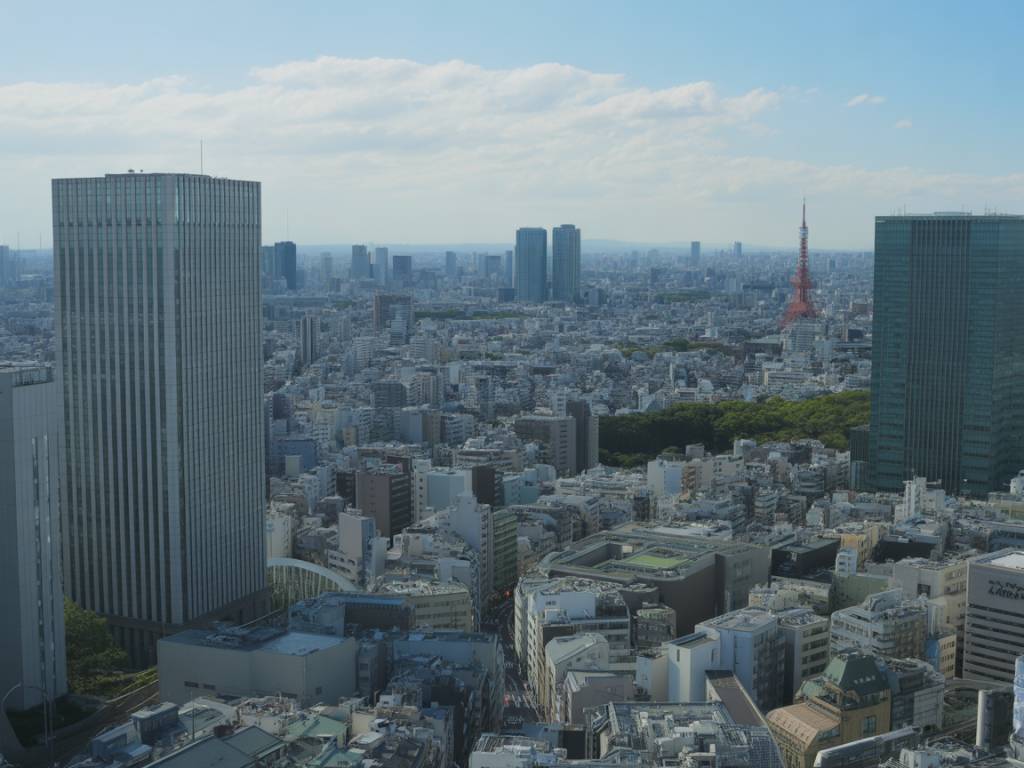
Tokyo has a way of making you feel tiny and infinite at the same time. Skyscrapers stretch into the night sky, trains glide past with clockwork precision, and yet, somewhere between a lantern-lit alley and a quiet side street, you find a small hotel room that becomes your own little world.
And very often in Tokyo, that world comes with three stars.
Why a 3-star hotel is perfect for Tokyo
If you’re picturing three stars as “compromise,” Tokyo will gently prove you wrong. In this city, 3-star hotels often hit a rare sweet spot between price, comfort, and location.
Think of them as compact cocoons: smaller spaces, yes, but meticulously designed. Rooms where every square centimetre works hard — a fold-out desk, a deep soaking tub squeezed into a bathroom the size of a wardrobe, a kettle tucked into a hidden drawer. You’re not paying for chandeliers or grand lobbies. You’re paying for efficiency, cleanliness, and a base in the middle of the world’s most exciting metropolis.
And in Tokyo, where you’ll likely spend your days wandering shrines, browsing bookstores, and getting lost in neon-lit streets, that’s often all you really need.
What “3-star comfort” actually looks like in Tokyo
European or American travellers are often surprised by how polished many mid-range Japanese hotels feel. Three stars in Tokyo usually means:
- Spotless rooms: Cleanliness is almost a point of national pride. Even budget-conscious hotels shine, literally.
- Smart use of space: Expect compact, not cramped. Bed, desk, mini-fridge, maybe a tiny armchair, all arranged like a puzzle that somehow works.
- All the essentials: Kettle, tea, pajamas or yukata, toothbrush, razor, hairbrush, cotton pads, slippers — you can almost arrive with just clothes and a passport.
- Reliable Wi-Fi: As steady as the Yamanote Line during rush hour.
- Quiet nights: Despite the city’s electric energy outside, windows and walls are usually well-insulated.
The main “trade-off” is usually space. Rooms can be tiny — 12 to 16 m² is typical. You might need to choreograph suitcase movements like a slow dance: open, unpack, slide under the bed. But the payoff is often a price far gentler than the big-name international chains, and locations that place you right where you want to be.
Where to stay: neighbourhoods that suit a 3-star stay
Choosing your Tokyo neighbourhood matters almost more than choosing your room. A good location will save you time, money, and a whole lot of energy. Here are a few areas where 3-star hotels thrive.
Shinjuku: Bright lights and endless options
If Tokyo had a heartbeat, it might sound like Shinjuku Station at rush hour — announcements, footsteps, the whoosh of doors. Staying in Shinjuku means:
- Excellent train connections across the city and beyond
- A forest of neon, izakayas, and late-night ramen shops
- Shinjuku Gyoen park nearby for quiet, green mornings
3-star hotels here are ideal if you love energy and don’t mind a bit of buzz at all hours. Picture a high-rise hotel room with a narrow window framing a skyline of lights, the city humming softly below.
Shibuya: Youthful, creative, restless
Famous for its scramble crossing, Shibuya blends fashion, music, and late-night cafés. A 3-star hotel here works well if you want:
- To walk to trendy streets like Cat Street or Daikanyama
- Easy access to Harajuku and Omotesandō
- A neighbourhood that feels perpetually awake
Rooms can be a little pricier than in other areas, but being able to stroll back to your hotel after watching the crossing at midnight is an experience in itself.
Asakusa: Old Tokyo charm with a slower rhythm
If Shinjuku is a neon symphony, Asakusa is a wooden flute. Lantern-lit streets, rickshaws, and the scent of grilled senbei (rice crackers) drift around Sensō-ji Temple. Staying here brings:
- Smaller, more intimate hotels and guesthouses
- A taste of “shitamachi” — historic downtown Tokyo
- Easy access to the Sumida River and Tokyo Skytree
It’s a lovely base if you prefer early mornings at the temple to late nights in karaoke rooms.
Ueno: Museums, markets, and practical convenience
Ueno feels almost scholarly, with its museums, park, and zoo. Yet just a few streets away, Ameya-Yokochō market buzzes with food stalls and tiny shops. You’ll appreciate:
- Good-value 3-star hotels, often slightly cheaper than Shinjuku or Shibuya
- Easy train links to Narita Airport and northern Japan
- Plenty of local eateries and casual izakayas
For travellers who love culture by day and quiet streets by night, Ueno makes a very comfortable home base.
Tokyo Station & Ginza: Efficient and elegant
Near Tokyo Station, 3-star hotels tend to be businesslike and efficient: clean design, quick check-ins, and easy access to bullet trains. Ginza, a short walk away, wraps that practicality in elegance — boutiques, galleries, and polished cafés.
- Perfect if you’re arriving or departing by Shinkansen
- Ideal for travellers who like a more refined, business-district ambiance
- Often quieter at night than the entertainment districts
A day in Tokyo from a 3-star base
Imagine this.
You wake up in a small but perfectly ordered room in Asakusa. The blackout curtains slide open to reveal a slice of sky edged by tiled rooftops. You slip into the hotel’s provided slippers, pad to the window, and watch a man on a bicycle deliver crates of vegetables to a tiny restaurant on the corner.
Downstairs, the lobby smells faintly of coffee and miso soup. Some 3-star hotels include a simple breakfast buffet: rice, grilled fish, scrambled eggs, tiny sausages, salad. You fill a tray, sit by a window, and quietly join the choreography of business travellers and tourists planning their days.
By mid-morning, you’re at Sensō-ji, incense curling under a bright sky. Later, a subway ride carries you to Shibuya, where you merge with the crowd at the crossing. Your room keycard weighs lightly in your pocket — a reminder that somewhere, amid all this movement, you have a stable, familiar base.
You return after dark, feet pleasantly tired. The automatic doors whoosh open onto the same calm lobby. At the front desk, a soft “okaerinasai” — welcome back. In your room, you drop your bag onto the bed, run a hot bath in the deep, short tub, and let the day dissolve in steam.
Outside, Tokyo keeps glowing. Inside, your 3-star nest is quiet and still.
How to choose the right 3-star hotel in Tokyo
With so many options, it helps to be a little strategic. When comparing hotels, focus on more than just star ratings and photos.
Check the walking distance to the nearest station
In Tokyo, a “5-minute walk” can feel very different depending on traffic lights, crossings, and hills. Look for:
- Hotels within 5–8 minutes on foot from a major station (Shinjuku, Ueno, Tokyo, Shibuya) or a well-connected subway stop
- Stations on useful lines such as JR Yamanote, Chūō, or major metro lines (Ginza, Marunouchi, Hibiya)
A few extra minutes of walking might sound minor, but at the end of a 20,000-step sightseeing day, you’ll feel every metre.
Read reviews for recurring themes
Individual complaints happen everywhere, but look for patterns:
- “Very small room” is normal — don’t be alarmed, just prepared
- “Great soundproofing” or “very quiet at night” is a strong plus
- Comments about beds being too firm or pillows too hard are common in Japan; consider if that suits you
Check room size and bed type carefully
Pay attention to:
- Room size in square metres (anything under 15 m² will feel snug for two with large suitcases)
- Whether you’re booking a semi-double (smaller than a typical European double) or a true double/queen
- Availability of twin rooms if you prefer separate beds
A well-designed 13 m² room can feel cozier than a poorly laid-out 18 m² one, so photos and floor plans can be surprisingly helpful.
Notice what’s in the neighbourhood
Zoom out on the map and look for:
- Convenience stores (7-Eleven, Lawson, FamilyMart) within a couple of minutes’ walk
- Nearby restaurants that stay open late — very useful after long day trips
- Parks, shrines, or quieter streets where you can decompress from the city’s intensity
What to expect inside your room
The first time you open a Tokyo hotel room door, there’s a moment of surprise. That’s it? And then, gradually, you start noticing the details.
- The genkan: A tiny entry step where you slip off your shoes. Even this ritual gives a sense of leaving the city at the door.
- The bed: Often firm, with crisp white linens, bedside control panels for lights, and sometimes the air conditioning too.
- The bathroom: A marvel of compact design. Everything is slightly smaller but perfectly functional. Toilets with warm seats and a gentle whirr of buttons, deep tubs, plentiful amenities.
- Little luxuries: A humidifier for winter, a pair of house slippers, a folding mirror on the desk, maybe even a small fabric freshener spray for your clothes.
You won’t have a wardrobe the size of a London flat, but you will have hooks, hangers, and somehow, a place for everything. The room invites you to live more lightly, to carry just what you need.
Breakfasts, vending machines, and late-night snacks
Part of the charm of 3-star hotels in Tokyo is the small ecosystem they create around your daily routines.
Hotel breakfasts
Some hotels include breakfast; others offer it as a paid option. Buffets often mix Japanese and Western choices:
- Rice, miso soup, grilled fish
- Scrambled eggs, sausages, toast
- Salads, pickles, coffee, tea, juice
There’s something quietly joyful about starting your day with a bowl of hot miso soup while watching commuters hurry past outside.
Vending machines and convenience stores
Most 3-star hotels will have at least one vending machine on a shared floor, selling drinks — green tea, coffee in cans, soft drinks, sometimes beer. Ice machines are common too.
And then there are the konbini — convenience stores that are anything but basic. Within a short walk, you’ll likely find one open 24/7. Inside: onigiri, bento boxes, karaage chicken, salads, puddings, fresh coffee. It’s entirely possible to have a perfectly satisfying late-night “picnic” in your room, seated on your bed with a plastic-wrapped sandwich and a cold bottle of oolong tea, watching Japanese TV adverts you don’t fully understand but somehow enjoy.
Cultural tips for a smoother stay
Tokyo’s hospitality feels unfailingly polite, but a few cultural details will make your experience smoother and warmer.
- Quiet in corridors: Japanese hotels tend to be very quiet; voices in hallways are kept low. Returning late at night, try to mirror that softness.
- Shoes off inside the room: If you see slippers at the door, use them. It’s a simple gesture of respect for the space.
- Politeness with staff: A small bow, a “thank you” — arigatō gozaimasu — goes a long way. Staff often go out of their way to help, even with limited English.
- Trash sorting: Japan takes waste separation seriously. In your room, you may see different bins or labelled bags; follow the signs if there are any.
- Towels and cleaning: Many hotels now encourage eco-friendly practices. Leaving certain cards or signs on the bed or door tells housekeeping how much to clean or change.
Budgeting: what you can expect to pay
Prices vary by season, neighbourhood, and how early you book, but as a rough guide, for a 3-star hotel in central Tokyo you might expect:
- Lower range: Simple business hotels or smaller rooms in less central districts, especially on weekdays
- Mid-range: Popular chains around Shinjuku, Ueno, or Asakusa, especially booked in advance
- Higher range for 3-star: Peak cherry blossom season, New Year, Golden Week, or major events
Booking a few months ahead usually helps, as does being flexible with location. And if you’re comfortable with smaller rooms, you can often find excellent value simply by choosing a “semi-double” instead of a bigger bed type.
Why compact comfort suits this city so well
Tokyo is a city of details. The way a barista aligns your cup’s handle before serving it. The tiny garden tucked behind a concrete wall. The orderly lines on a busy platform. A 3-star hotel in this city mirrors that philosophy: it doesn’t try to impress with grand gestures, but with thoughtfulness.
In the end, your memories won’t be of how big your wardrobe was, but of soaking in a hot bath after getting caught in a sudden spring rain, of the first sip of canned coffee from the vending machine at dawn, of opening your curtains to a slice of sky you came to recognize as “yours.”
Tokyo’s vastness can feel overwhelming at first. Yet, returning each night to the same compact, familiar space turns the city from a maze into a home — even if only for a handful of days.
And perhaps that is the quiet magic of a 3-star hotel in Tokyo: in the midst of the world’s most exhilarating metropolis, it offers you a small, carefully crafted corner of calm where you can breathe, reset, and get ready to fall in love with the city all over again the next morning.