



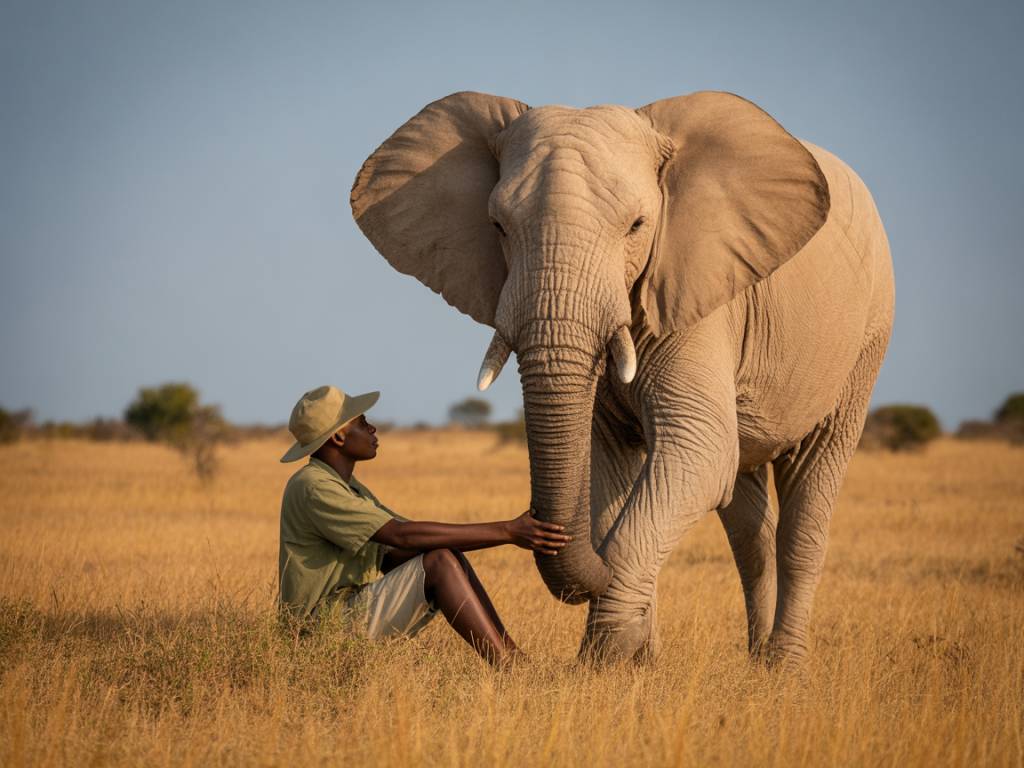
Africa is one of those places that quietly takes hold of you long before you land. It starts with a name on a map — Serengeti, Okavango, Kruger — and suddenly you’re dreaming in golden savannahs and distant lion roars. My first safari felt like stepping through the pages of every travel book I’d ever underlined, except the air smelled of dust and wild sage, and the soundtrack was birdsong instead of turning pages.
In this article, I want to take you with me to a few of my most unforgettable wildlife encounters, and then help you plan your own safari: how to choose a destination, the best time to go, what type of safari fits your style, and how to travel responsibly in these fragile landscapes.
Waking up with lions in the Maasai Mara
My alarm that morning was not my phone, but the low, shuddering rumble of a lion’s roar rolling across the plains of Kenya’s Maasai Mara. It vibrated through the canvas walls of my tent and into my chest, like distant thunder that somehow had a heartbeat.
We set off before sunrise, thermos of coffee in hand, the air still cold enough to sting my fingers. The sky was just beginning to pale when we found them: a pride of lions, nine in total, draped across a small rise like faded gold coins scattered in the grass.
The cubs played in the first light, pouncing on each other, tumbling clumsily over their mother’s paws. Every so often, one would stop and stare directly at us, eyes like burnished amber, then lose interest and return to its wrestling match. The adults barely acknowledged our presence. For them, the Land Rover was simply part of the landscape, another harmless shape on the horizon.
What I remember most is the sound. Not the famous roar that documentaries love, but the soft, almost domestic noises: cubs mewing, a lioness chuffing softly at her young, the faint tear of flesh as one of the males finished the last of a wildebeest kill hidden in the grass.
That morning set the tone for every safari I’ve taken since: the sense that you are a guest in a world that existed long before you, and will continue long after you’ve boarded your flight home.
Elephants and silence in Botswana’s Okavango Delta
If the Maasai Mara is a theatre of wide-open plains, the Okavango Delta in Botswana is a whispered secret. Water channels thread their way through reeds and papyrus, creating a mosaic of islands, lagoons and floodplains where life gathers in quiet abundance.
One afternoon, my guide suggested we abandon the vehicle for a while and explore in a mokoro — a traditional dugout canoe. The water was mirror-still, broken only by the gentle push of the pole and the distant call of an African fish eagle. Dragonflies hovered like tiny stained-glass windows above the surface.
We rounded a bend and there they were: a family of elephants at the water’s edge. One of the younger ones stepped into the river, testing the depth with exaggerated caution, while an older female — the matriarch — watched us with a wise, steady gaze. I could see the texture of her skin, every crease baked by sun and time.
She flared her ears slightly, not in aggression but in assessment. We kept our distance, the mokoro barely moving, the world narrowing to the soft plop of water on the hull, the wet sound of trunks scooping and spraying, and the occasional rumble of elephant conversations too low for our ears to fully grasp.
It struck me then how quiet a true wildlife encounter can be. No engines, no crowd of vehicles, just the shared stillness between species who are carefully observing one another.
Tracking rhinos at dawn in South Africa
Some encounters are not about the quantity of animals, but the gravity of a single presence. Rhinos have that gravity — they carry the weight of their own vulnerability, whether they know it or not.
In a private reserve bordering Kruger National Park, we went out on foot with a ranger and a tracker. The air was cool, filled with the fragrance of crushed grass and wild basil. Our guide walked ahead, scanning the ground for clues: a broken twig, a fresh pile of dung, the faint outline of a three-toed print stamped into the dust.
When we finally saw the white rhino, he was standing in a clearing, head down, a living relic in grey armour. We stopped at a safe distance, the ranger’s rifle resting but ready, and watched in absolute silence.
He lifted his head and the morning light caught the curve of his horn. My throat tightened. This creature, perfectly adapted to millions of years of wild living, was being pushed to the brink by human greed and myths.
That moment changed how I think about safaris. It’s not just about spotting the “Big Five” and ticking boxes; it’s about making a quiet promise to leave these animals, and the spaces they inhabit, a little better protected than we found them.
Choosing your African safari destination
So where should you go for your own safari? Africa is a vast, diverse continent, and each region offers a different flavour of wilderness. Your choice will depend on what you dream of seeing, how you like to travel, and your budget.
Some classic options:
- Kenya & Tanzania (East Africa) – Iconic savannahs, big cat sightings, and the Great Migration (July–October in many areas). Think endless plains, acacia silhouettes at sunset, and those coffee-table-book landscapes.
- South Africa – Great for first-time visitors. Well-developed infrastructure, excellent guides, and options from budget to ultra-luxury. Kruger and its private reserves are wildlife-rich and easily combined with Cape Town or the Garden Route.
- Botswana – Pristine, low-impact tourism with fewer vehicles and a strong emphasis on conservation. The Okavango Delta, Chobe, and the Kalahari offer exceptional game viewing with a sense of seclusion.
- Namibia – Otherworldly landscapes: red dunes, rugged Skeleton Coast, and desert-adapted wildlife. Safaris here feel more about space and silence, with a dash of surreal beauty.
- Uganda & Rwanda – Best for primate encounters. Gorilla trekking in misty forests, chimpanzees in lush reserves, plus classic savannah parks in Uganda.
Ask yourself:
- Do I want classic “lion on the savannah” scenes, or more unusual landscapes?
- Is my priority the Big Five, or would I be just as happy with birds, smaller mammals, and unique ecosystems?
- Am I comfortable with remote lodges, or do I want easy connections and shorter transfers?
When to go: seasons and wildlife
Timing can make a big difference to your safari experience. Contrary to what many imagine, the “best” time is often the dry season, not the lush rainy months.
- Dry season (often May–October) – Less vegetation, so animals are easier to spot. Wildlife gathers around remaining waterholes. Days are sunny, nights fresh or even cold. This is peak season in many regions.
- Green / wet season (often November–April) – Landscapes turn emerald, skies dramatic, and rates can be lower. Great for birdwatching and baby animals. Roads can be muddy, and you may see fewer big cats in some areas due to thick vegetation.
For specific spectacles:
- Great Migration (Kenya & Tanzania) – Generally July–October in the Maasai Mara, but in different parts of the Serengeti almost year-round. The exact timing shifts with the rains.
- Okavango Delta floods (Botswana) – Typically June–August for high water levels and classic mokoro experiences.
- Baby animals and greenery – Often around December–March in many Southern and East African parks.
If you’re flexible, talk with a specialist or lodge directly; they’ll tell you when their area truly shines.
What kind of safari suits you?
“Going on safari” can mean many things, from canvas tents under a sky full of stars to polished lodges with infinity pools overlooking a waterhole. Matching the style to your personality is half the fun.
- Lodge-based safari – You stay in a lodge or tented camp and go on guided drives or walks with professional guides. Ideal if you want comfort, expert tracking, and minimal stress. This is the most common style for first-timers.
- Mobile or fly-camping – Your camp moves with you or is set up in wilder, more remote spots, often for a night or two. Think lantern-lit dinners, bucket showers, and a more intimate connection with the bush.
- Self-drive safari – Popular in South Africa and Namibia. You rent a car, drive yourself through national parks, and stay in rest camps or lodges. Wonderful if you enjoy independence, but it requires more planning and confidence.
- Walking or horseback safaris – For those who want to feel the land under their feet (or hooves). Wildlife viewing is often more about small details and tracks, but encountering a giraffe at eye level while on foot is unforgettable.
Ask yourself how you want to feel at the end of the day. Rested with a glass of wine on a deck? Or dusty, exhilarated, and falling asleep to hyena calls in a simple tent?
Planning the practicalities: budget, length, and logistics
African safaris have a reputation for being expensive — and they can be — but there is more range than many people realise.
- Budget – National park rest camps and modest lodges can be surprisingly affordable, especially in South Africa and Namibia. Kenya and Tanzania offer more mid-range tented camps, while Botswana and private reserves tend to be on the higher end due to strict low-volume tourism models.
- Length of stay – If you’re travelling from Europe, aim for at least 7–10 days. A good rhythm might be 3–4 nights in one area, then move to a second region for contrast (for example: savannah + wetlands, or big game park + coastal relaxation).
- Internal flights vs. road transfers – Light aircraft flights can save time and offer beautiful views, but add to the budget. Overland drives are cheaper and let you see more of everyday life, though they can be long and bumpy.
Consider working with a specialist operator or local agency, especially for your first safari. They can balance the puzzle pieces — flights, transfers, park fees, seasonal nuances — while you focus on dreaming about elephants.
Packing: what you really need (and what you don’t)
Safari packing lists can be intimidating, but you don’t need an entire new wardrobe in “safari beige” to blend in. A few well-chosen items make all the difference.
- Neutral, breathable clothing (khaki, olive, grey) – bright colours are not ideal on game drives, and dark blues/blacks can attract tsetse flies in some regions.
- A warm layer – early mornings can be surprisingly cold, even in Africa’s warmest months.
- A wide-brimmed hat and good sunglasses – the sun is intense, and game drives are often open vehicles.
- Comfortable closed shoes – you don’t need heavy hiking boots unless doing serious walking; sturdy trainers are usually enough.
- Binoculars – often overlooked, but they transform the experience. Sharing one pair per couple or group is usually fine.
- A soft-sided bag – many light aircraft have strict weight and luggage type limits.
What you can happily skip:
- Excessive gadgets – dust and shaking vehicles are not kind to delicate tech.
- Formal outfits – even the most luxurious lodges are usually relaxed at dinner. Clean and comfortable beats glamorous.
Ethical and responsible safari choices
Every time we step into a wild space, we leave a footprint — the question is whether it’s light or heavy. A few thoughtful choices can make your safari more positive for wildlife and local communities.
- Choose operators with a conservation track record – Look for lodges that invest in anti-poaching units, habitat restoration or local education projects. Don’t be shy about asking where your money goes.
- Respect animal space – A good guide will never crowd wildlife or chase sightings. If you find yourself in a jostling cluster of vehicles around a stressed animal, say something or ask to move on.
- Avoid hands-on wildlife attractions – No elephant riding, no lion cub petting, no “walking with lions” experiences. These are almost always harmful, no matter how pretty the brochure looks.
- Support local economies – Buy crafts directly from local artisans, tip fairly, and consider community-run conservancies where people living alongside wildlife share directly in tourism benefits.
An ethical safari isn’t about perfection; it’s about consistent small choices that align with the wild places you’ve come to admire.
Capturing the moment without losing it
You’ll be tempted to photograph everything: the way dust glows behind a herd of impala, the exact moment a leopard pads across the road. And you should. But remember that no camera, however expensive, can fully steal the soul of what you’re seeing — that part is for you alone.
A few tips:
- Use a zoom lens if possible, rather than asking vehicles to get closer than is comfortable for the animals.
- Turn off flash; it can disturb wildlife, especially at night.
- Put the camera down sometimes. Watch that elephant cross the river with your own eyes first, then reach for the shutter.
Some of my strongest memories aren’t my sharpest photos, but the ones taken a beat too late because I chose to simply witness the moment first.
Letting Africa stay with you
My last night on safari is always the same ritual. I sit outside, however chilly or warm it is, and listen. Sometimes it’s the far-off whoop of a hyena, sometimes just the creaking of insects and the wind threading through the trees. I try to map the sounds to memory: the textures of darkness, the particular way the air smells of dust, woodsmoke, and something green and wild.
African safaris are not just about seeing animals. They are about feeling small in the best possible way. About being reminded that the world is older, larger and more intricate than our daily routines suggest.
When you plan yours, leave space in the itinerary for doing absolutely nothing: no extra activity, no checklist. Just you, a chair, and the wide, breathing landscape in front of you. In the end, those are often the moments that refuse to fade, long after your suitcase is unpacked and the last trace of red dust has been shaken from your shoes.